Professional Work History
Below you'll find all of my professional projects, and a curated selection of work that exemplifies my process, skillset, and values.
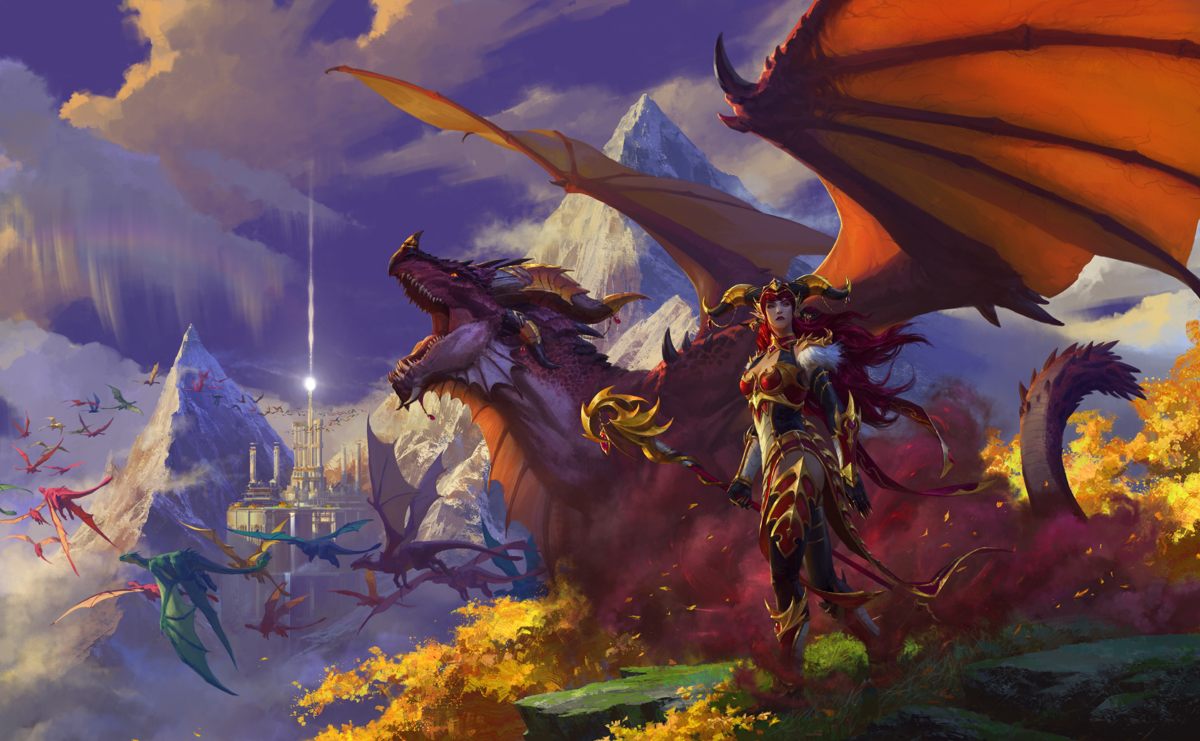
World of Warcraft
2022-CurrentWorld of Warcraft is an MMORPG set in a fantasy universe on the fictional planet Azeroth, four years after the events of the previous game in the series, Warcraft III. Players can create their own character by choosing a race and class, then embark on various activities in an online sandbox, fight monsters, complete quests, and engage in PVP.
I was privileged enough to join the encounters team on World of Warcraft, who specialize in design, implementation, and iteration of end game PVE group content in dungeons, raids, and outdoor activities.
A combination of my design and technical expertise allowed me to quickly ramp up on the tools to start creating engaging content with deep systems. For example, my first raid boss, Larodar in patch 10.2, I built a self-propagating fire system for the encounter using Lua that was inspired by the spreading fire tech in FarCry 2.
An opportunity arose within the live game that required encounter and combat expertise. Equipped with a history of leading, teaching, and mentoring, I believed it to be a great opportunity to knowledge share the magic behind encounter design that I've learned and practiced thus far.
Key Responsibilities
- Acted as the central point of raid content that helped to coordinate cross disciplinary teams and leadership feedback to bring a raid to life.
- Designed, implemented, and iterated upon raid and dungeon content using proprietary tools and Lua.
- Feature owner of several live service features that drove player engagement and retention.
- Gave internal design and implementation talks to help knowledge share best practices.
- Mentored and guided several designers in both philosophy and implementation across different skillsets and teams.
- Served as the design and implementation expert embedded in the live game team.
Highlighted Work • Mug'Zee Raid Boss
Buddies from the day they were born, Mug'Zee's two heads are the topper of a giant hulk of an ogre enforcer, specifically hired by Gallywix to oversee his casino's day-to-day activities. Mug'Zee is the penultimate boss of the Undermine raid in patch 11.1, and is my favorite creation that I've been a part of.
Two Heads are Better Than One
This encounter went through a lot of early design iteration and received a lot of feedback - thank you encounters and UX team. There was just so much we wanted to do with the idea of a goblin boss having a two headed ogre as their heads of security. After a lot of paper design iterations and prototyping we ultimately decided to let the fantasy lead the design - two different fights in the same arena, one for each unique head, swapped between by the players positioning. I think it's an important showcase of understanding when you have a design that is top down heavy, that is dripping in fantasy, you let that fantasy do the heavy lifting for you and get out of the way of it.
Function Follows Fantasy
There is a saying on the encounters team, "we tell the players a story by punching them in the face." Once we had the high-level top-down fantasy of a two-headed ogre, one is a shaman, one is a gangster, and you control which is active by your positioning - that's when the magic started happening and the mechanical ideas started flowing like a waterfall. Of course the shaman would imprison players with elemental rock prisons and summon stone elementals called Gallagio Goons that wore little gangster hats to shake you down. Of course the gangster head, with all the cool goblin toys, would call in a Volenteer Rocketeer goblin that lands a nuke into the raid, Slim Pickens-style. The encounter was an immediate fan favorite with the team and players due to how strong the fantasy was, even making its way into Hearthstone with three different cards.
Playtesting and Iteration
Despite the encounter coming together very quickly, the road to ship was hard fought. We had a really strong base encounter, but we were searching for that one magic hook to amp it up on mythic difficulty. We typically prefer to do mythic difficulty changes that are very easy to explain but have deep mechanical and strategic impacts to the fight. We ideated and iterated on so many mythic mechanics in search for the holy grail. There was one playtest with a mechanic that was so difficult it was commented to be literally impossible and harder than OG C'Thun - not what I was looking for. After much deliberation and analysis on what could be added, I took a step back and ask the question, 'do I need to add anything at all?' The encounter was already fairly mechanically demanding. So I just tuned numbers to be a massive throughput check, added one flashy new insta-kill mechanic for the third phase and let 'er rip. Sometimes you have to go with the design classics, 'less is more' and 'simple is beautiful.'
Special Thanks
- Harley and TJ
- Mike
- Abby
- Allen
- Anne
- The entire UX team
Highlighted Work • Legion Remix
Legion Remix was a temporary, accelerated event that lets players re-experience the Legion expansion with an overpowered artifact weapon, fast leveling, and massive cosmetic rewards. I was brought on to own instance dungeon and raid content, tuning, and the beloved mythic+ system that debuted in Legion.
Timeworn Keystone Dungeons
What big shoes to fill! Mythic+ was a huge back of the box feature in Legion. Mythic+ dungeons are still one of our most engaged with activities across all our players to this day. With bringing M+ back in Remix, there a lot of unique design goals:
- It should be a nostalgic revisit of the original M+ affixes, maybe with some quality-of-life edits.
- But there should also be a new thematic twist for Remix to make M+ fresh.
- Overpowered Remix characters should be able to push keys way higher than standard keystone levels.
- Somehow enforce traditional party composition despite ludicrous player power. (1 tank, 1 healer, 3 DPS)
- Tune it so that it's accessibility for everyone, but players looking to push can find friction.
- Keep the Remix keys contained so that it doesn't escape the Remix sandbox.
I am frankly astonished we pulled it off. Players were even dealing so much damage that we were constantly int overflow caps in the gameplay code. It was a herculean effort to ship Mythic+ as we did and I'm grateful for everyone's contributions.
Dungeon and Raids
Legion had a monumental amount of instance content - my work included overhauling it, which included 13 dungeons and 5 raids. This work included fixing long standing legacy bugs, updating outdated spell visuals to latest standards, tuning all encounters across multiple difficulties, and re-design two dungeon bosses that were non-functional. Redesigning two 10+ year old encounters is quite a fun design challenge. There is a spirit or soul of the encounter that you want to preserve, but carve away the outdated or non-functional pieces and bring them up to modern standards.
Artifact Capstone Abilities
I also had the opportunity to help design and implement some of the player artifact capstone abilities. Most notably, Twisted Crusade and Vindicator's Judgment. For the capstones, they had to give the player a strong power fantasy, have a unique identity based on Legion flavour, have varied gameplay experience between them, and a good mix of strengths and weaknesses depending on the player's specialization. We managed to hit those goals, and created satisfying and engaging combat mechanics that resonated with players.
Special Thanks
- Josh
- Cam
- GP Engineering
- Ion
Additional Work
- 12.1.7 Talebound - Darkhaven creatures and bosses, polish standards, difficulty tuning
- 12.0.7 Showdowns - Heroic World Tier, elite creatures, and world boss implementation
- 12.0.7 Turbulent Timeways 6 - Live event and Dragonflight dungeon timewalking conversion
- 12.0.5 Ritual Sites - Daggerspine Point creatures and bosses
- 11.2.5 Legion Remix - M+ affixes, dungeon and raid tuning, contribution to player artifact skills
- 11.1.7 Turbulent Timeways 4 - Live event and Battle for Azeroth dungeon timewalking conversion
- 11.1.0 Undermine Raid - Mug'Zee, Heads of Security boss
- 11.0.0 Nerub-ar Palace Raid - Raid systems, trash, RP, traversal, art and narrative collaboration
- 10.2.0 Amirdrassil Raid - Larodar, Keeper of the Flame boss
- 10.1.5 Dawn of the Infinite Megadungeon - Tyr, the Infinite Keeper boss and trash
- Legacy raid soloability standards and documentation
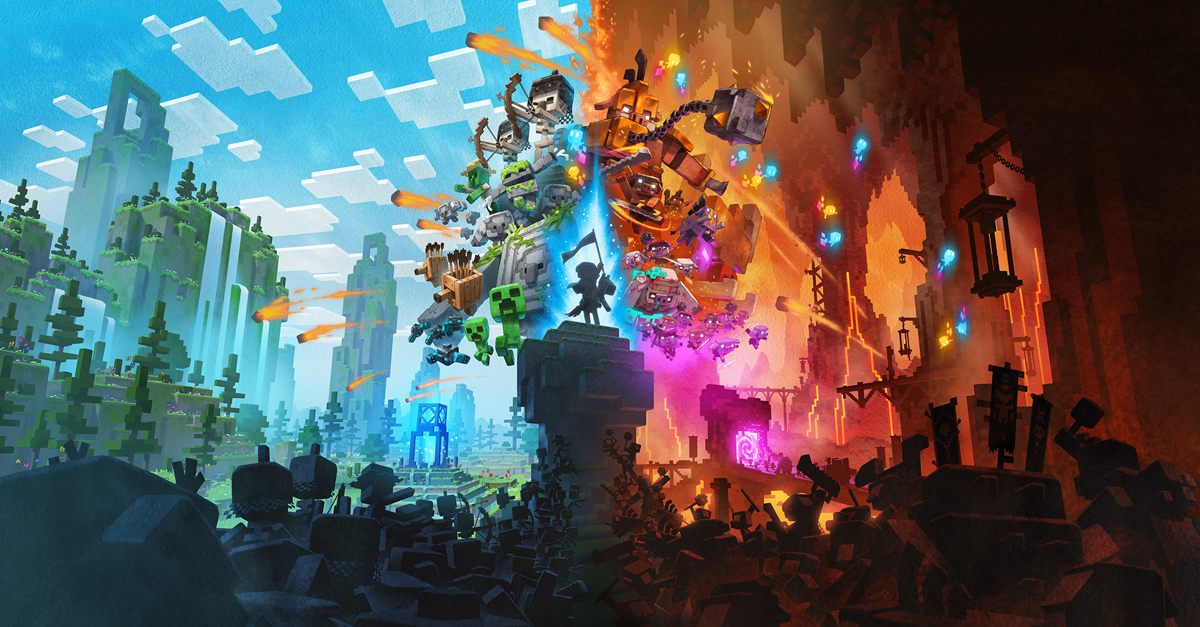
Minecraft Legends
2022Minecraft Legends is an action-strategy game where players amass armies of familiar mobs to defend the Overworld against the destructive piglin invasion. Players explore a vibrant, procedurally generated world to gather resources, build defenses, and command tactical battles in both story mode and competitive multiplayer.
I joined the Minecraft Legends team mid-production and become feature owner of Village Attacks - a dynamic base assault feature. It was a special treat to work on Minecraft, utilizing procedural workflows and tools to bring an experience to life.
Key Responsibilities
- Product owner of a procedural game feature and its implementation with a language similar to JavaScript.
- Managed and mentored associate technical design staff.

Advanced Game Design Program
2019-2022Advanced game design is a full-time, two-year program focused on game design and its various design specializations, including level design, systems design, combat design, narrative design, economy design, technical design, board game design, UI design and UX design.
I was approached by the founders to head up and direct the game design program. As one of the first employees it was my responsibility to ramp up a team of 20+ industry instructors, mentors, and teaching assistants. We eventually started partnering with accredited Canadian universities to integrate our curriculum and instructors into their educational framework.
Key Responsibilities
- Hired, managed, and mentored 20+ instructional staff, mentors, and teaching assistants.
- Wrote and provided class materials and curriculum for various classes such as level and combat design.
- Taught a series of rapid prototyping classes that landed students with 14+ small game projects during their studies.
- Mentored and guided students through the game design and development journey.
- Ran studio outreach programs to get sponsorships and internships for top performing students.
- Created a digital campus with pixel art and gather.town.
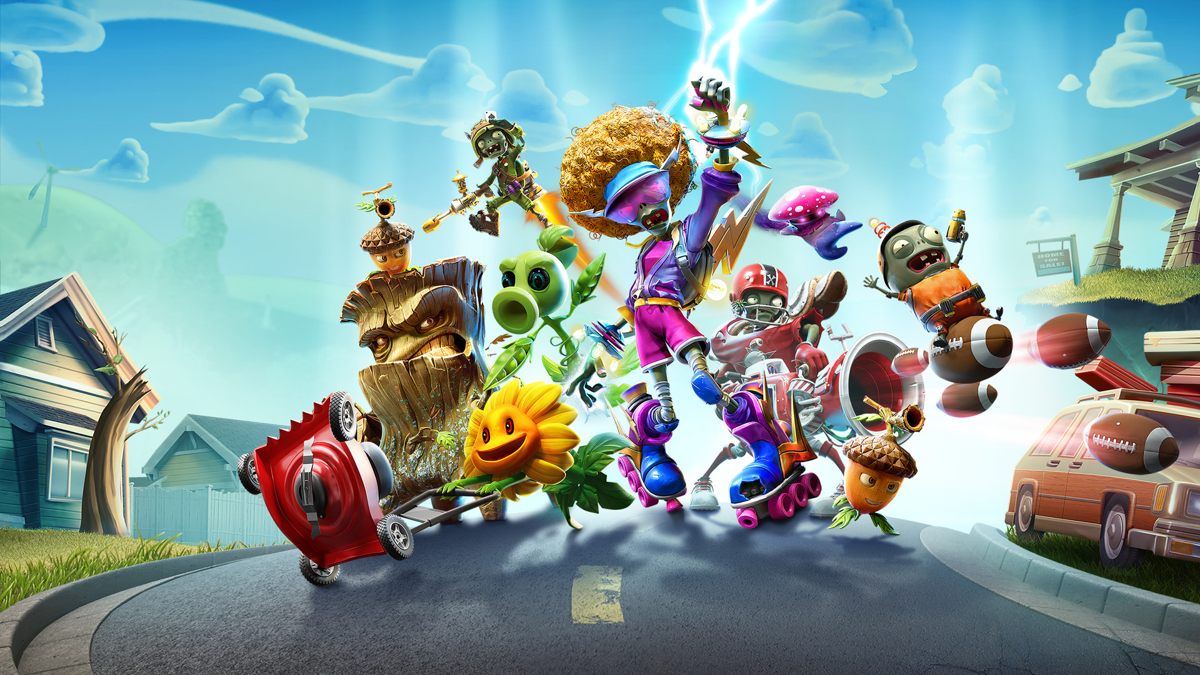
Plants vs. Zombies: Battle for Neighborville
2018-2019Plants vs. Zombies: Battle for Neighborville is a third-person shooter game where players choose sides in an ongoing, eccentric conflict between plants and zombies. The game focuses on team-based multiplayer battles and cooperative exploration across several open-world regions, expanding on the colorful lore of the classic franchise.
I joined the project mid-production and took ownership over one of the multiplayer game modes. My work included a lot of optimization, bug-fixing, and refactoring before shipping.
Key Responsibilities
- Took ownership over the multiplayer Turf Takeover game mode mid-production.
- Refactored and fixed bugs with junior and intermediate designers’ scripting and logic using Schematics.
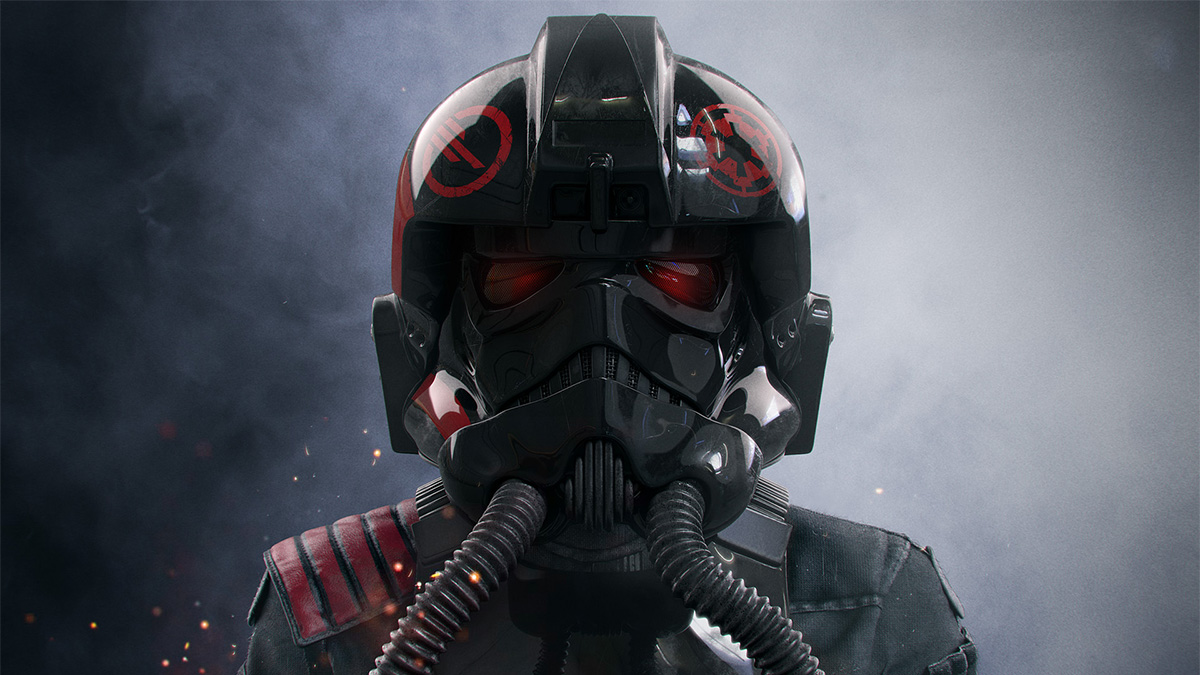
Star Wars Battlefront 2
2016-2017Star Wars Battlefront II is an action shooter game that features large multiplayer battles and a single-player campaign following Imperial special forces commander Iden Versio. Players can battle across multiple film eras using iconic heroes, villains, and starfighters in both online and offline game modes.
I was brought on during pre-production and ended up as the lead level designer for the single player campaign - a highly requested component missing from the first installment. I worked closely with directors to establish the vision for the campaign, both in gameplay and narrative, and led the team to ship and beyond.
Key Responsibilities
- Worked with direction to establish vision for the design and narrative of the single player campaign.
- Managed and mentored a team of twelve level designers, ranging from junior to senior.
- Saw through twelve single player chapters from concept to ship.
- Created document templates and kept documents up to date for other disciplines and external partners.
- Worked with technical design to establish implementation standards.
- Reviewed game content and provided feedback and guidance to the team.
- Worked and communicated closely with other discipline leads to create a cohesive experience.
- Collaborated cross studio co-development with EAV, DICE and Criterion.
- Collaborated with level artists to create whiteboxing kits.
- Took ownership of implementing two levels while maintaining leadership responsibilities.
- Approver and reviewer for any LD related bug during build locks.
Highlighted Work • Royalty
Royalty is the Leia hero chapter that takes place on the surface of Naboo. The imperial forces abandon their sinking star destroyer and make a desperate attempt to land on Theed to take it by ground. Leia must work together with our main character Iden to reactivate an ancient city defense system to disable the imperial invasion fleet.
As lead, all the levels are my babies. I'm especially proud of Gab delivering the technical implausible open world sandbox of Jakku, and Nick the extremely well thought out layouts on Endor, and Elliott the highly demanding nature of our E3 demo. But there were two levels I had to take responsibility for as deadlines were being missed, and this level, Royalty, became our quality and polish target. I used it as an opportunity to create something my team could point to and look at as a reference on how to implement sandbox AI, large scale warfare, scripted cinematic moments and polish.
General Organa
The first design goal was to do General Organa justice, and make playing as Leia feel like you were commanding a group of rebel forces. This worked well from both a narrative perspective, as Leia is a natural born leader, and also from a gameplay perspective, as her ability kit was focused on defending allies with a shield and controlling enemies with flash bangs. Because of this I designed the majority of the level around large scale rebel vs. imperial ground skirmishes - giving ample chance for the player to shield rebels and flashbang large groups of imperials. It's also enforced by the objective, as your companion cannot slice into the relays while he is taking damage - forcing the player to utilize the shield ability to stop incoming damage.
The Battlefront of Naboo
The other key part of this level was to really sell that the imperials were invading and about to take Theed from the rebels. I did this by having the entire map covered in rebel vs. imperial skirmishes and starfighter dogfights overhead. Another interesting concept we implemented was an AT-AT marching toward the palace in the central street, almost as a doomsday clock. This was super prevalent in the last beat where the player is holding the front line in front of the palace against the imperials and AT-AT, trying to buy time their companion to activate the cities defenses. The result is a fairly unique beat where the frontline consistently is pushed back - having to defend closer and closer to the palace while also increasing the overall tension and intensity for the player.
Go See a Star War
I also worked very closely with animation to set the standard in terms of realization throughout the game. Everything from systemic dogfighting starfighter chases, a forward medic camp, rebels dragging wounded out of battle, choreographed Y-wing bombing runs blowing up AT-STs, crashing starfighters - I could go on. The result was an epic believable warfront, and turned out to be the reference point during production for other level in terms of realization.
Special Thanks
- Kim
- Jade
- Steve
- James
- Emanuel
- My lovely LD and GD team
Game Design Program
2014-2016The Vancouver Film School Game Design program is an intensive, 12-month, full-time diploma focused on hands-on production and industry readiness for game development. It is regularly ranked as the top game design school in Canada by The Princeton Review.
To move closer to family, I decided to try my hand teaching at VFS's Game Design program - the very program I graduated from 8 years prior. During my time at VFS as the level design instructor I overhauled the entire level design curriculum, integrated newly released Unreal Engine 4, and taught over 200 students - some going on to become my peers in the industry.
Key Responsibilities
- Updated level design curriculum with current and relevant industry experience.
- Mentored students through the creative process of level design and project development.
- Graded student’s work according to an objective and qualitative rubric to assess level design aptitude.
- Taught students level design theory, practical processes, hands on tools and efficient workflows.
- Created in-engine tutorials in Unreal 4 for all practical curriculum.
- Awarded “Best Instructor” and “Best Course” from various graduating classes.
- Taught a summer intensive class for prospective students.
Watch Dogs
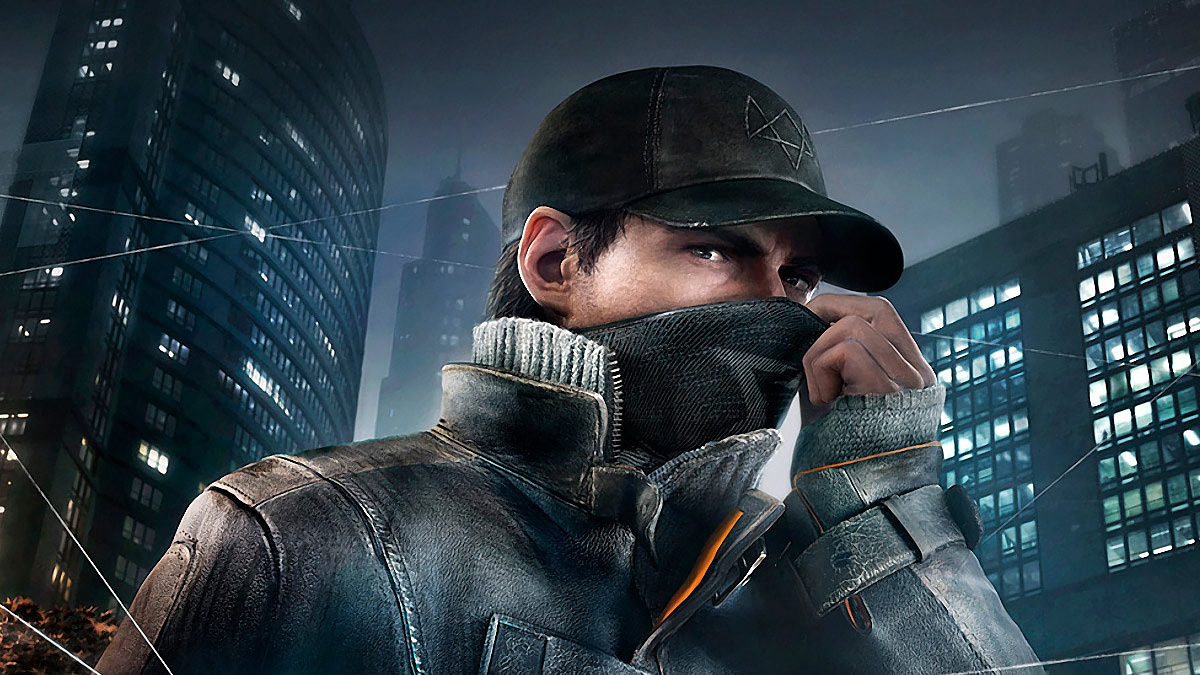
2012-2014Watch Dogs is an open world third person shooter where you play as Aiden Pierce, a hacker and vigilante on a mission for personal vengeance.
I joined the team as a level designer during pre-production, helping establish direction and vision for the level geometry, gameplay beats, gameplay objects, and enemy AI. Continued on through production, iterating with art, cinematics, lighting, audio, and game design for the critical path. And stayed beyond shipping - working on prototypes and concepts for Watch Dogs 2.
Key Responsibilities
- Designed and implemented a portion of the critical level path, including final level and boss fight.
- Conceived, prototyped and implemented multiple game ingredients and mission beat types.
- Collaborated closely with other disciplines such as art, animation, lighting to bring level content to life.
- Worked closely with game designers to establish AI systems and difficulty balance in across different level layouts.
- Iterated content based on playtest and director feedback to bring owned missions to target quality.
- Point of contact for auditing and refactoring released junior level designer’s work.
- “Power User" of proprietary open world level design tools.
Highlighted Work • Uninvited
In this level Aiden preemptively ambushes a death squad that is organizing a hit on Bedbug, Aidan's soon to be informant. He first meets up with his associate Jordi, another fixer, to acquire remote IEDs to aid in the ambush. The ambush takes place in a brick warehouse with lots of hackable objects that the player can use to set up a perfect trap. After the threat for Bedbug has been cleared, Aidan goes to Bedbug to show the evidence he's previously gathered to incriminate and blackmail him into helping be an informant.
Prepare for Ambush
The real driving force behind this mission was based on an earlier prototype we called 'prepare of ambush'. The idea is that you arrive at a combat space before the enemies do, and use your hacking tools and other toys to prepare the space to gain an upper hand. You can raise and lower cover, modify sight lines, and check surveillance equipment to see typical enemy movement patterns for placing traps. It made players really smart for being able to plan out a combat encounter.
What makes a Watch Dogs Cover Layout
For example, we found that a really compelling combat layout was an equal mix of static cover, hackable cover and destructible cover. This really made the core mechanics and abilities shine, as the player can bend the environment to their will and the layout evolved over time via explosions, vehicles, and hacking. It was one of those cases of luxury where the level design team loved the game so much we'd just play each other's missions and iterate before it even got in the hands of the player.
Arena Level Layout
Because of the very open and non-linear flow of the encounter, I designed the layout with arena level design sensibilities. There were multiple entry points both for the player and AI. So I created a few circuits that spanned around the space, weaving up and down, through siderooms. The goal was to give the player a lot of momentum and choice in how they moved about this ambush, while still considering core level design principles like sight lines, pacing, and scale. The layout was so well received from the team that we ended up re-using it for an open world PVP section of the game, and showcased it in one of our first gameplay trailers.
Wu-Tang is for the Children
I used the majority of my level's budget on reaching out to the audio and licensing team to acquire Wu-Tang's C.R..E.A.M. which became an instant fan favorite. The music plays diegetically on the enemies vehicles as they drive into the encounter space. It then seamlessly blends to 2D audio upon entering combat or the enemies aware state increasing.
Special Thanks
- PY
- James
- Ethan
Additional Work
- Foresight - The gun shop tutorial level.
- Hold On, Kiddo - Jackson has been kidnapped with a train chase level.
- A Blank Spot There-ish - Unlock the bunker puzzle level.
- Not A Job For Tyrone - Vehicle and on foot stealth while tailing Bedbug level.
- Sometimes You Still Lose - Chaotic open world finale against the final boss level.
- Guys Like Us - Post-game morality choice level.
Prototype 2
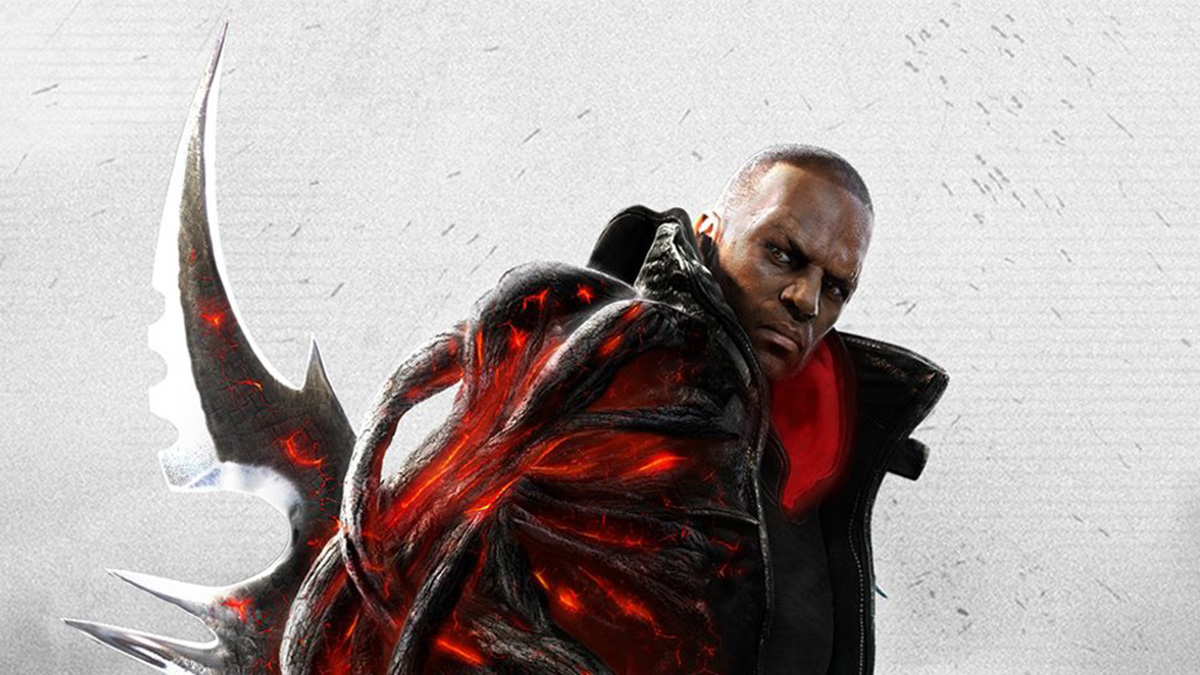
2011-2012Prototype 2 is an open-world action-adventure video game where players control James Heller, a sergeant infected with a shapeshifting virus who seeks revenge against the first game's protagonist, Alex Mercer. The gameplay focuses on using destructive viral abilities to slice through enemies, glide across an infected New York City, and consume targets to absorb their memories and appearances.
Radical remains one of my favorite studios that I've worked at. It was a programming heavy studio, so to be one of the few designers was a massive honour. It also meant most designers were generalists and didn't have traditional roles. As a result, by the end of production I had done Combat Design, Mission Design, Level Design, Cinematic Design, and Live Ops design.
Key Responsibilities
- Designed and implemented a variety of story and open world missions.
- Used Lua and proprietary placement tools to implement story and open world missions.
- Assisted in tuning and polishing player combat attacks and mechanics.
- Created custom camera sequences in game for dramatic moments and important reveals.
- Set dressed owned mission areas with props and ambient NPCs for world storytelling.
- Worked closely with writers and artists to ensure custom content was cohesive with the mission.
- Championed implementation of Black.net terminals and open world hunt targets.
- Contributed to post-launch updates and designs.
SSX
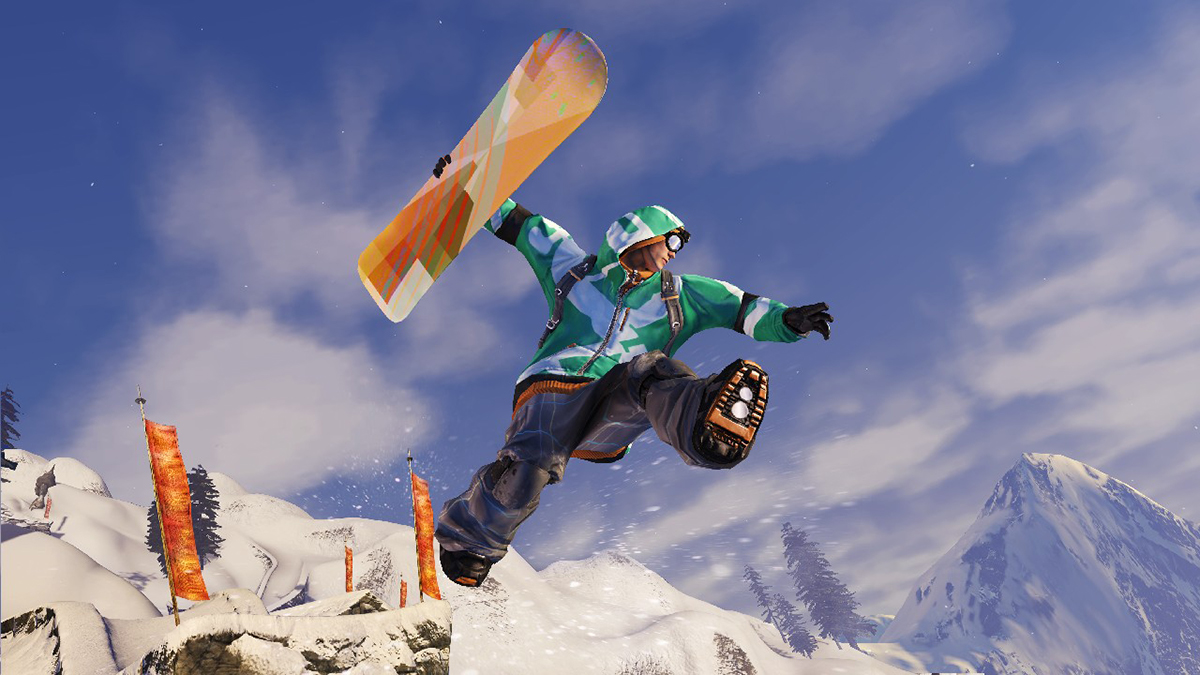
2010-2011SSX is an arcade-style extreme sports video game where players race down massive real-world mountains and perform gravity-defying tricks. It features fast-paced downhill action, online global events, and a unique survival mode that challenges players to navigate extreme natural hazards.
I was brought on to the project during pre-production as a level designer. It was one of the most unique jobs I've had, as we were using Houdini to procedurally generate 200+ tracks with voxels and Python. Just a funny aside, a lot of the level design team members were being approached from VFX studios because of our Houdini expertise.
Key Responsibilities
- Used Houdini and Python to implement procedural rules for creating snowboarding tracks.
- Prototyped terrain types in Houdini for gameplay proof of concepts.
Pirates of the Caribbean: Armada of the Damned
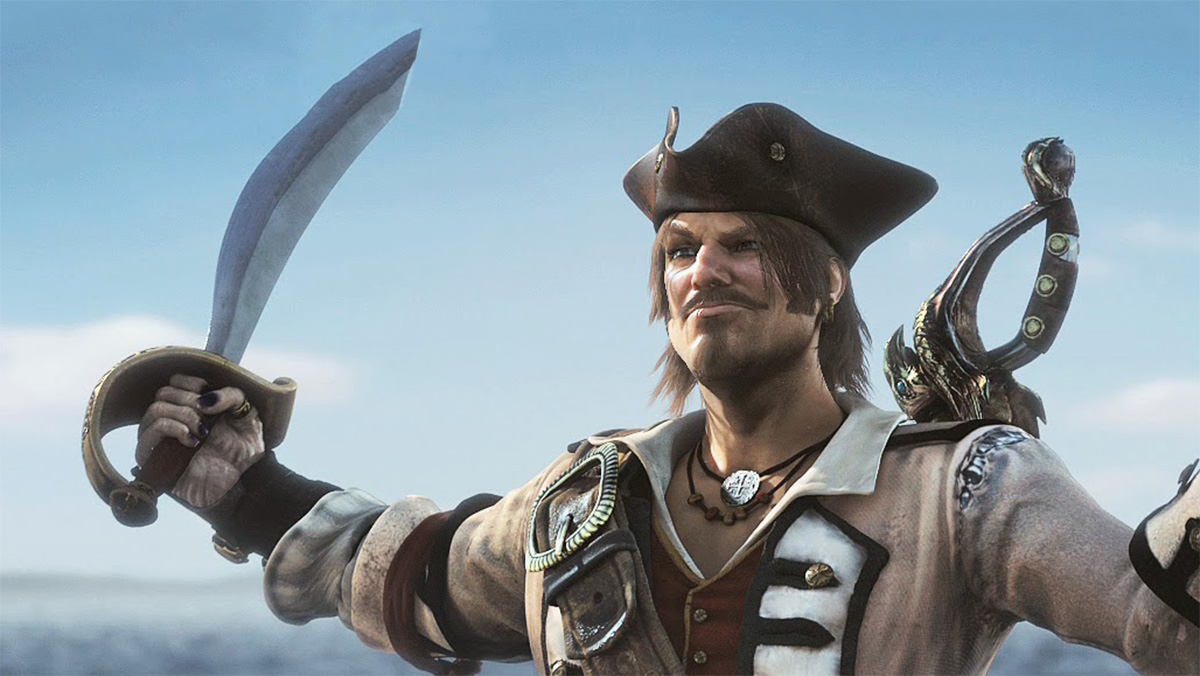
2009-2010Pirates of the Caribbean: Armada of the Damned is a cancelled action-adventure role-playing game play where players take control of the pirate Captain James Sterling. It was an original pre-film story featuring land and naval combat shaped by their moral choices, and had cameos of beloved film characters.
I joined the team as Quest Designer during early production. Our team didn't have level designers, so it was quest design who worked closely with artists for layout needs, and working closely with combat design for implementation of encounters.
Key Responsibilities
- Designed and implemented a portion of the main quest and over a dozen side quests.
- Designed, prototyped and helped implement multiple features including NPC vs. NPC combat, environmental interaction mechanics and spawn closets.
- Used a proprietary visual scripting tool and systemic quest managing tool to implement quests, combat encounters, and gameplay sequences.
- Worked closely with tools engineers on our proprietary tools needs for workflows.
- Worked closely with writers on dialogue and story beats to keep quest content cohesive.
- Championed the character database, which included organizing and maintaining all NPC archetypes and data.